Demystifying
Generative Engine Optimization: The Shift from Links to LLM
Citations
Applying generative engine optimization can boost your content
visibility by up to 40% across diverse search queries (Source:
arXiv:2311.09735). This is not traditional SEO. Legacy keyword matching
is dead. Instead, modern systems target generative engine optimization
to ensure Large Language Models retrieve, understand, and cite digital
assets during synthesizing answers (Source: LLMRefs). Rather than
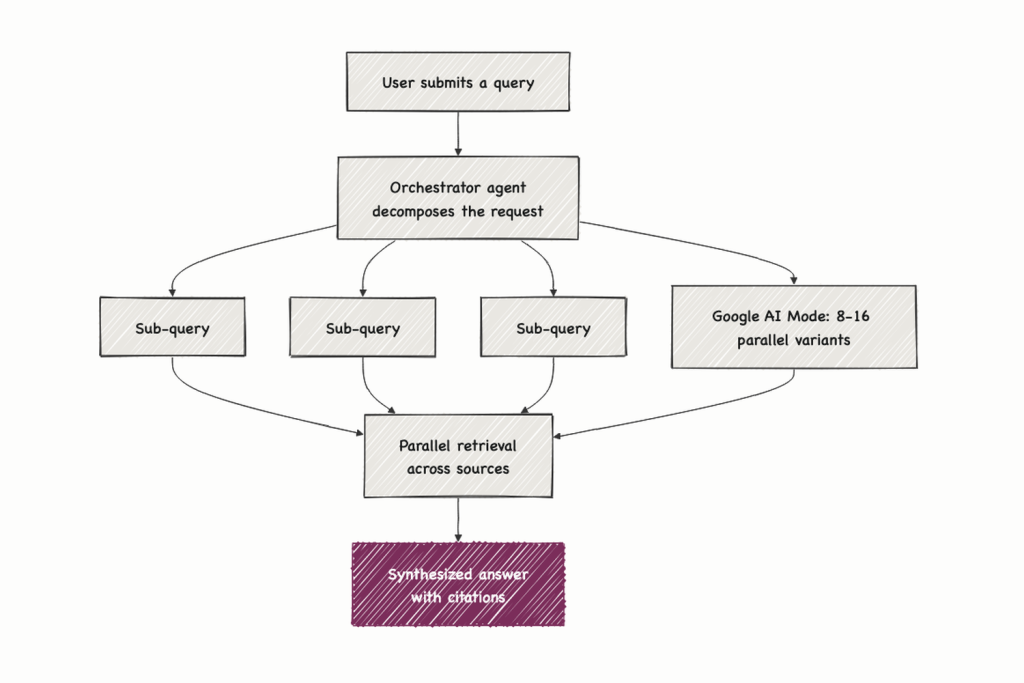
displaying standard link indexes, generative engines like Google AI
Overviews use retrieval-augmented generation to pull documents and build
answers (Source: arXiv).
How do you win? Our philosophy relies on publishing what we measure
because vague theories fail engineering standards. We treat this guide
as a data-driven breakdown of the model-first approach, showing you the
mechanics of vector embeddings, chunking strategy, and semantic
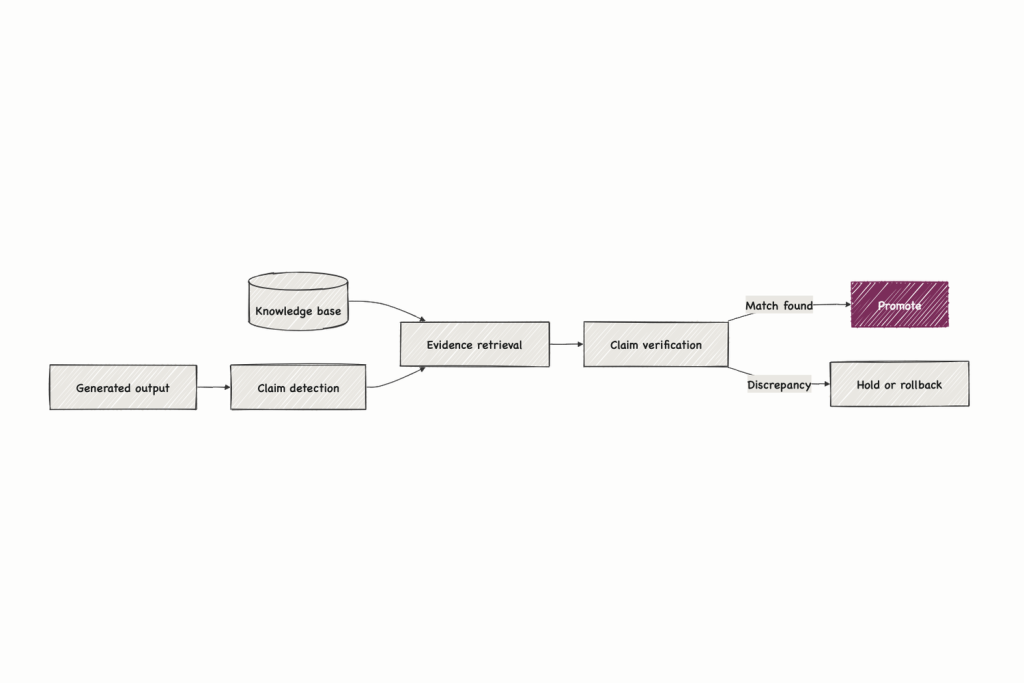
similarity. For example, implementing post-generation frameworks like
CiteFix demonstrates a 15.46% relative improvement in overall accuracy
metrics for a retrieval-augmented generation system (Source: arXiv). We
will dissect how to increase your citation rate and command the context
window. Start publishing high-density content now.
Inside
the Answer Engines: Perplexity, Google AIO, and ChatGPT Search
Building on these architectural shifts, publishers must master how
distinct platforms handle information extraction. Perplexity AI leads
this charge by utilizing its “Search as Code” (SaC) reference
architecture, a multi-stage pipeline designed to progressively refine
raw search results into accurate answers (Source: Perplexity Research).
This system drives real-time web search capabilities through a
multi-source verification engine. It prioritizes consensus-based
retrieval. In practice, this means the engine verifies claims across
multiple independent web indexes to calculate a high citation rate,
averaging three to seven sources per answer (Source: AuthorityTech
YouTube).
SEARCH ARCHITECTURE
┌───────────────────────────────┬───────────────────────────────┬───────────────────────────────┐
│ Feature │ Perplexity Pro │ ChatGPT Plus │
├───────────────────────────────┼───────────────────────────────┼───────────────────────────────┤
│ Core Index Strategy │ Broad, traditional Google- │ High-DR publishers, direct │
│ │ style crawl alignment │ media licensing agreements │
├───────────────────────────────┼───────────────────────────────┼───────────────────────────────┤
│ Source Selection │ Averages 3 to 7 sources per │ Highly selective, elite │
│ │ synthesis │ domains │
├───────────────────────────────┼───────────────────────────────┼───────────────────────────────┤
│ Search Customization │ Auto-routing, multi-doc │ General conversational web │
│ │ synthesis (Academic, Finance) │ browsing │
└───────────────────────────────┴───────────────────────────────┴───────────────────────────────┘
Why does index latency matter for generative engine optimization? If
search service latency exceeds three seconds during simultaneous
indexing and active querying, users are 1.5 times more likely to switch
to a faster alternative (Source: Google Research). Consequently, these
engines implement streaming indexing and crawling to update their
systems continuously, which contrasts sharply with the periodic crawling
schedules of legacy search platforms (Source: You.com Resources).
Publishers can calculate theoretical indexing latency by subtracting the
extracted event timestamp from the actual time at which the event was
indexed (Source: Splunk Community).
Where do Perplexity Pro and ChatGPT Plus diverge?
- Perplexity Pro: Supports auto-routing for models
and targeted multi-document synthesis, allowing users to narrow searches
to specific content types like Academic or Finance (Source:
Perplexity). - ChatGPT Plus: Leans heavily on high-domain rating
(DR) publishers and licensed media partnerships (Source: AuthorityTech
YouTube).
Understanding these differences is the first step toward optimizing
your content lifecycle for AI search.
The
Lifecycle of a Web Page in RAG: Crawling to Semantic Synthesis
Webpages must navigate a strict multi-stage lifecycle to achieve
search visibility. Generative engine optimization begins when a crawler
user-agent evaluates your robots.txt configuration and decides to ingest
a URL. This automated pipeline executes four distinct steps: document
preparation and chunking, vector indexing, retrieval, and prompt
augmentation (Source: Databricks). It is a highly demanding process.
PROCESSING PIPELINE
┌───────────────────────────────┬───────────────────────────────┬───────────────────────────────┐
│ Stage │ Core Action │ Optimization Focus │
├───────────────────────────────┼───────────────────────────────┼───────────────────────────────┐
│ 1. Crawl & Prep │ Schema markup parsing │ Structured data formatting │
├───────────────────────────────┼───────────────────────────────┼───────────────────────────────┐
│ 2. Contextual Chunking │ Metadata tagging │ Factual density │
├───────────────────────────────┼───────────────────────────────┼───────────────────────────────┘
│ 3. Vector Indexing │ Semantic alignment │ Embeddings generation │
├───────────────────────────────┼───────────────────────────────┼───────────────────────────────┤
│ 4. Prompt Augmentation │ Source verification │ High citation rate │
└───────────────────────────────┴───────────────────────────────┴───────────────────────────────┘
Why does chunking matter? Chunking acts as a critical retrieval
quality decision rather than just a technical constraint because these
discrete pieces serve as the primary retrieval units for AI (Source:
Adnan Masood via Medium). To optimize both citation accuracy and
retrieval performance, systems like the i-RAG pipeline use a four-stage
process starting with paragraph-level processing (Source: Medium
(praneeth.v)). Strategy dictates success here.
How do engines connect these chunks? Contextual chunking stores
chunks in a vector database and retrieves the top semantically similar
chunks based on a user query, using metadata to improve retrieval
precision (Source: Pinecone). This alignment determines what the context
window receives. It links query to source.
Publishers must adapt. Recent updates in Google AIO and Perplexity
Pro Search have increased demands for highly structured and
authoritatively factual content. To meet these demands, building
citation-aware retrieval-augmented generation pipelines requires
extending document preprocessing, chunking, and embedding stages to
track source metadata and establish source attribution (Source:
Tensorlake). Rigor is now mandatory.
Without structured data, content is invisible. Also, prompt
engineering relies on strategic context placement, citation formats, and
truncation strategies to improve LLM accuracy and reduce hallucinations
(Source: mbrenndoerfer.com). Editors must prioritize factual density to
survive content pruning. This ensures your URLs survive the selection
phase when search agents synthesize their final answers. Focus on
precision.
Resolving
Information Contradiction and Establishing the Source of Truth
Building on this rigorous selection phase, content-heavy websites
face a major hurdle when AI search engines encounter contradictory web
data. How do language models resolve these discrepancies when scraping
conflicting sources? They deploy Explicit Knowledge Conflict Resolution
frameworks and abstract argumentation to settle the dispute between
internal training knowledge and conflicting external data (Source:
arXiv: Explicit Knowledge Conflict Resolution). This is a complex
engineering task. Language models must first identify the conflict,
pinpoint the exact conflicting information segments, and then present
distinct viewpoints to the user (Source: arXiv:2310.00935v2). In
multi-agent systems, these conflicts frequently stem from agents
accessing completely different datasets, resulting in conflicting
beliefs (Source: APXML).
Publishers can conquer these conflicts by enforcing consensus-based
retrieval through factual density and pristine machine readability. How
do engines choose their primary sources? AI engines evaluate citation
sources based on domain authority, content freshness, semantic
relevance, structured data, and overall machine readability (Source:
Mention Stack). Schema markup acts as a powerful signal here. An
analysis of 6 million URLs showed that structured data markup is
significantly more common on pages cited by AI than on pages that are
not (Source: Ahrefs). This structured approach makes your pages
machine-readable and semantically clear (Source: Insightland).
CONFLICT RESOLUTION
┌───────────────────────────────┬───────────────────────────────┐
│ Evaluation Metric │ Optimization Action │
├───────────────────────────────┼───────────────────────────────┤
│ Conflict Identification │ Map competing claims clearly │
├───────────────────────────────┼───────────────────────────────┤
│ Machine Readability │ Deploy JSON-LD schema markup │
├───────────────────────────────┼───────────────────────────────┤
│ Verification Authority │ Provide dense primary data │
└───────────────────────────────┴───────────────────────────────┘
To establish an clear source of truth, focus on these critical areas:
* Structured Data: Use JSON-LD to define facts
explicitly (Source: Insightland). * Source
Verification: Deliver primary-source data to win the
consensus-based retrieval process.
Mastering generative engine optimization requires this transition
from raw text to structured authority. This shifts the balance of power.
This change shapes your search visibility.
Publisher-Platform
Dynamics: Revenue Share and Licensing Agreements in 2025
Building on this transition to structured authority, publishers face
a stark distribution reality in 2025. Why does this matter? AI search
engines send 96% less referral traffic to news sites and blogs than
traditional Google search, according to a report by TollBit (Source:
Forbes / TollBit). To offset this loss, Perplexity launched its
Publishers’ Program, allowing traditional media firms and publishers to
earn a share of advertising and search revenue when their content is
referenced (Source: Perplexity AI). This program debuted on July 30,
2024, offering publishers up to 25% of ad revenue (Source: Digiday).
| Revenue Program Components | Publisher Terms |
|---|---|
| Subscription Pool Share |
80% of Comet Plus subscription revenue goes to publishers (Source: The Wall Street Journal). |
| Direct Pool Allocation |
Payouts draw from a designated $42.5 million revenue pool funded by Comet Plus (Source: The Wall Street Journal). |
| Initial Launch Partners |
TIME, Der Spiegel, Fortune, Entrepreneur, The Texas Tribune, and WordPress.com (Source: Perplexity AI Blog). |
Does spending money on these commercial agreements bypass the search
architecture? No. Generative engine optimization remains an objective
engineering requirement. Algorithms prioritize vector embeddings,
semantic similarity, and document retrieval logic over commercial
status. Even with licensing agreements, your systems must maintain clean
structured data to rank. This reality shapes the future of digital
publishing.
The
Prioritized GEO Checklist: Concrete Changes for Content-Heavy Sites
Building on this stark distribution reality, websites must implement
concrete changes to protect their traffic. Why does this matter? Gartner
predicted that traditional search volume will drop by 25% in 2026 as
users shift to AI-powered answer engines (Source: Search Engine Land).
Action is urgent. Content-heavy sites cannot rely on speculative SEO
hacks to survive this shift. Instead, they must deploy a highly
structured, prioritized generative engine optimization checklist that
balances implementation ease with documented citation impact.
- High Priority (Immediate Impact): Inject primary
data into your articles. This step is critical. A study of 10,000
real-world queries found that web pages containing quotes and statistics
had 30% to 40% higher visibility in AI-generated search results (Source:
Semrush). - Medium Priority (Crawler Accessibility): Optimize
your robots.txt configuration to ensure a friendly crawler user-agent
relationship. Bots need access. To perform GEO, content-heavy sites must
publish relevant content consistently, make content accessible to AI
crawlers, and earn brand mentions (Source: Semrush). - Low Priority (Foundational Steps): Improve page
speed, mobile UX, and optimize image sizes. Do this today. These
adjustments serve as a foundational technical step in the GEO checklist
(Source: PageOptimizer Pro).
These concrete steps move your optimization strategy away from old
ranking signals toward measurable LLM evaluation metrics. Shift your
focus. Only 38% of Google AI Overview citations pull from the top 10
organic search results, meaning AI Overviews increasingly source
citations from outside traditional top rankings (Source: Ahrefs).
Consequently, publishers must track modern metrics like AI citation
frequency, Share of Model Voice (SOMV), answer inclusion rate, and
entity metrics (Source: Search Engine Land). Track these instead. Focus
your engineering resources on proving factual density and semantic
alignment rather than chasing obsolete keywords. This disciplined,
data-backed approach prepares your digital assets for the next phase of
algorithmic discovery.
The Future of
Search: Handling the GEO Market
Transitioning from traditional search to technical generative engine
optimization requires a complete shift in engineering philosophy.
Traditional SEO relied on superficial keywords. This is no longer
enough. Modern search engines demand structured data, clean robots.txt
configuration, and high factual density to feed their
retrieval-augmented generation systems.
How can US content leads protect their digital footprints in LLM
indexes today? Act now. Content pruning must target low-quality pages to
improve overall semantic alignment. Use an index-first architecture
rather than a model-first approach. To remain visible in search results,
your strategy must focus on citation rate, schema markup, and vector
embeddings. Audit your crawler user-agent permissions right now to
secure your future referral traffic.
Frequently Asked Questions
What
is generative engine optimization (GEO) and how does it differ from
traditional SEO?
Unlike traditional SEO, which focuses on ranking lists of links,
generative engine optimization optimizes digital content so AI search
engines discover and cite it in synthesized responses (eSEOspace).
Research shows that applying GEO methods can boost content visibility by
up to 40% across diverse search queries (arXiv:2311.09735).
What
are Perplexity AI’s core features for sourcing and citations?
Perplexity AI features include multi-document synthesis and auto
routing for models, allowing users to narrow searches to specific
content types (Perplexity). Its sourcing methodology is highly
structured, typically averaging 3 to 7 sources per answer to ensure
precise citations and source verification (AuthorityTech).
How
do ChatGPT Search and Perplexity Pro search architectures compare when
indexing sites?
When indexing sites, their search architectures diverge: ChatGPT
leans heavily on high-domain rating publishers and licensed media, while
Perplexity Pro vs ChatGPT Plus comparisons show Perplexity aligns closer
to traditional Google search indexing (AuthorityTech). Both leverage
streaming indexing to maintain independent web indexes (You.com).
Does
joining Perplexity’s Publisher Program directly boost organic citation
rates?
While participating in revenue-sharing models and publisher programs
can enhance brand integration, organic citation algorithms rely heavily
on structured RAG pipelines (Databricks). High-quality contextual
chunking and precise metadata remain the primary drivers for securing
citations in AI-generated search summaries (Pinecone).
How
do LLMs resolve information contradictions between different web
sources?
To resolve information contradictions, generative engines utilize
consensus-based retrieval and post-generation frameworks. For instance,
implementing post-generation frameworks like CiteFix to establish a
verified source of truth demonstrates a 15.46% relative improvement in
overall RAG system accuracy (arXiv).
Written by AWRSHIFT Team